
Service 10
ClearerClearer voter signals FasterFaster review after phases BetterBetter strategic interpretation
Opinion and Exit Poll
IDRS supports campaigns with opinion and exit poll work that goes beyond topline numbers. We focus on what the polling picture means for strategy, message review, turnout interpretation, and post-phase campaign decisions.
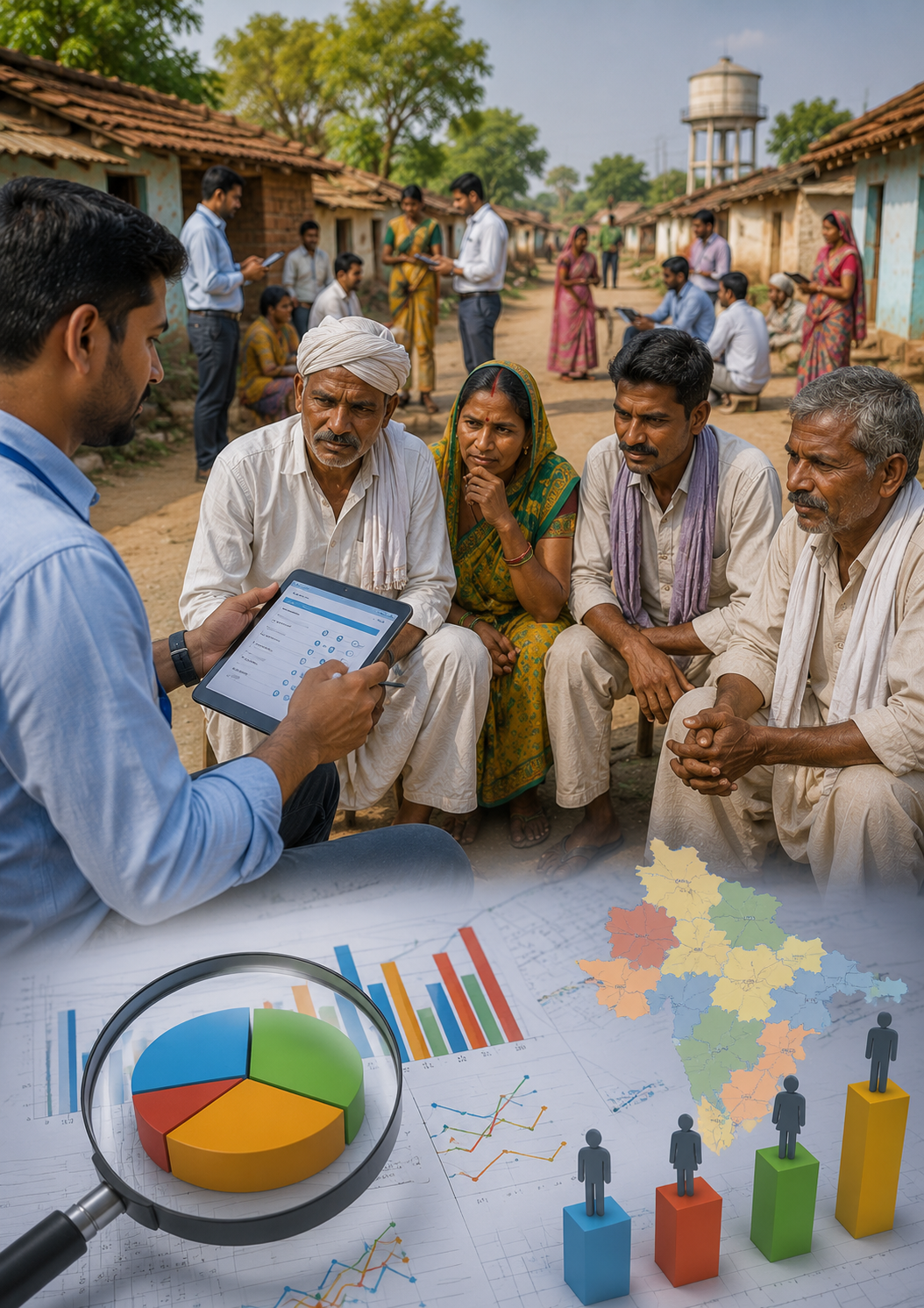
Opinion and Exit Poll
Built for campaigns that need fast, useful interpretation of voter mood before or after key campaign phases.
Best used for
Best used when leadership needs a structured read on sentiment, performance, and poll-phase learning.
Overview
What this service does
Opinion and exit poll work helps campaigns understand not only who may be voting where, but also why. The value is highest when findings are interpreted in political context, not treated as isolated numbers.
IDRS approach
IDRS structures polling work around campaign decisions, phase reviews, and constituency-specific interpretation so the data can support real strategic conversations.
We also help campaigns read volatility carefully. Shifts in turnout, sentiment, and local narratives often matter more than raw toplines alone.
What the engagement includes
- Opinion poll design and review support
- Exit poll interpretation for campaign phases
- Segment-wise voter behavior analysis
- Issue, turnout, and leadership pattern reading
- Decision-facing reports for campaign leadership
Partnership
Let’s join hands and win it together.
Connect with IDRS Consulting for campaign planning, political research, digital coordination, and election management support across India.
Process
How IDRS runs this assignment
The process is built around planning, execution, review, and quick course correction.
Frame the polling question
Define what the campaign actually needs to understand from the poll exercise.
Collect and validate responses
Run or review polling inputs with quality checks and political context.
Interpret the pattern
Look beyond headline numbers to find meaningful strategic signals.
Use the findings in planning
Feed the insight into campaign review, resource allocation, and message correction.
Coverage
Campaign areas this service strengthens
The work is scoped around the political context, geography, and urgency of the campaign.
Mood shifts
Track whether voter mood is hardening, softening, or changing by segment.
Phase review
Use exit-style reading to understand what happened after a campaign stage.
Turnout interpretation
Identify whether participation patterns changed the political picture.
Issue response
Measure how campaign themes are landing across different groups.
Leadership standing
Review how leader image is shaping voting intention or late movement.
Strategic correction
Turn polling insight into the next campaign move rather than only a report.
Use cases
Where this service creates the most campaign value
Campaign teams usually get the highest return when this service is timed to the right phase and objective.
Before final phase decisions
Use opinion work to decide where to intensify or protect effort.
After a voting phase
Interpret what happened and adjust for upcoming phases.
During competitive races
Watch mood and risk indicators where margins are uncertain.
Outcome
What this improves for the campaign
Every service is built to improve decision quality, execution discipline, and public connection.
Stronger strategic review
Leadership gets a cleaner read on whether the campaign line is working.
Better interpretation of shifts
Small movements become easier to read in political context.
More informed phase planning
Upcoming campaign decisions are grounded in fresher voter signals.
FAQs
Common questions about opinion and exit poll
These answers help campaign teams understand where the service fits and how it supports political execution.
What is the difference between an opinion poll and an exit poll?
An opinion poll estimates voter mood before voting, while an exit poll reads behavior and preference after voting has occurred.
How can opinion and exit poll services help campaigns?
They help campaigns interpret voter trends, phase outcomes, leadership perception, and where to adjust strategy.
Are polls only useful for prediction?
No. Their biggest value in campaigns is often interpretation, correction, and decision support.